

Choosing the right digital marketing strategy feels overwhelming when you're running a small business. With dozens of platforms, tools, and tactics competing for your attention and budget, how do you decide where to invest? The answer lies in understanding a clear evaluation framework that matches strategies to your specific goals, resources, and customer base. This article breaks down the most impactful digital marketing types for 2026, including local SEO and AI-powered solutions, so you can build an online presence that drives real results without wasting time or money on tactics that don't fit your business.
Table of Contents
- How to evaluate digital marketing strategies: The key criteria
- Top types of digital marketing strategies in 2026
- Comparing digital marketing strategies: cost, complexity, and outcomes
- Which digital marketing strategies are best for your small business?
- Boost your digital marketing with expert help
- Frequently asked questions
Key takeaways
| Point | Details |
|---|---|
| Strategy selection requires clear criteria | Match digital marketing tactics to your budget, goals, and customer demographics for maximum impact. |
| Local SEO drives nearby customers | Optimize for local search to capture customers actively looking for your services in your area. |
| AI tools boost efficiency with limits | AI saves 52 hours monthly but needs human oversight for brand consistency. |
| Combining strategies yields best results | Integrate organic methods with paid campaigns to balance immediate wins and long-term growth. |
| Performance tracking guides optimization | Continuously analyze metrics to refine your approach and allocate resources to winning tactics. |
How to evaluate digital marketing strategies: The key criteria
Before diving into specific tactics, you need a framework for evaluating which strategies deserve your investment. Smart selection starts with understanding five core criteria that separate effective campaigns from wasted budgets.
First, consider your budget allocation and expected ROI. Every dollar you spend should connect to measurable outcomes like leads, sales, or brand awareness. Calculate what you can afford monthly and quarterly, then research typical returns for each strategy type. Some tactics like email marketing offer high ROI with low costs, while others like video production require significant upfront investment.
Second, ensure alignment with your business objectives and customer demographics. A B2B software company needs different tactics than a local restaurant. Ask where your ideal customers spend time online and what problems they're trying to solve when they search. Your strategy should meet them at those exact moments.
Third, assess the complexity of implementation and required expertise. Some strategies like basic social media posting require minimal technical knowledge, while others like AI-powered marketing automation demand specialized skills or external support. Be honest about your team's capabilities and time availability.
Fourth, evaluate scalability and adaptability. The best strategies grow with your business without requiring complete overhauls. Look for tactics that let you start small, test results, and expand what works. Flexibility matters because customer behavior and platform algorithms constantly evolve.
Fifth, understand the efficiency benefits and limits of AI-powered tools. AI tools save 52 hours per month but require human oversight to maintain brand voice. AI excels at data analysis, content suggestions, and automation, but humans must guide strategy, ensure authenticity, and maintain customer relationships.
Pro Tip: Create a simple scorecard rating each potential strategy on these five criteria using a 1 to 5 scale. This visual comparison helps you spot which tactics align best with your current situation and resources.
Top types of digital marketing strategies in 2026
The digital marketing landscape offers numerous strategy types, each with distinct strengths and ideal use cases. Understanding these options helps you build a balanced approach that fits your business model.
Local SEO targets nearby customers by optimizing your online presence for location-based searches. When someone searches for services in your area, local SEO ensures your business appears in map results and local listings. This strategy proves essential for businesses with physical locations or service areas, driving foot traffic and qualified leads from people ready to buy.
Content marketing builds brand authority and organic traffic through valuable blog posts, videos, guides, and resources. By answering customer questions and solving problems, you attract visitors who discover your business during research phases. Content compounds over time, with older pieces continuing to generate traffic months or years after publication.
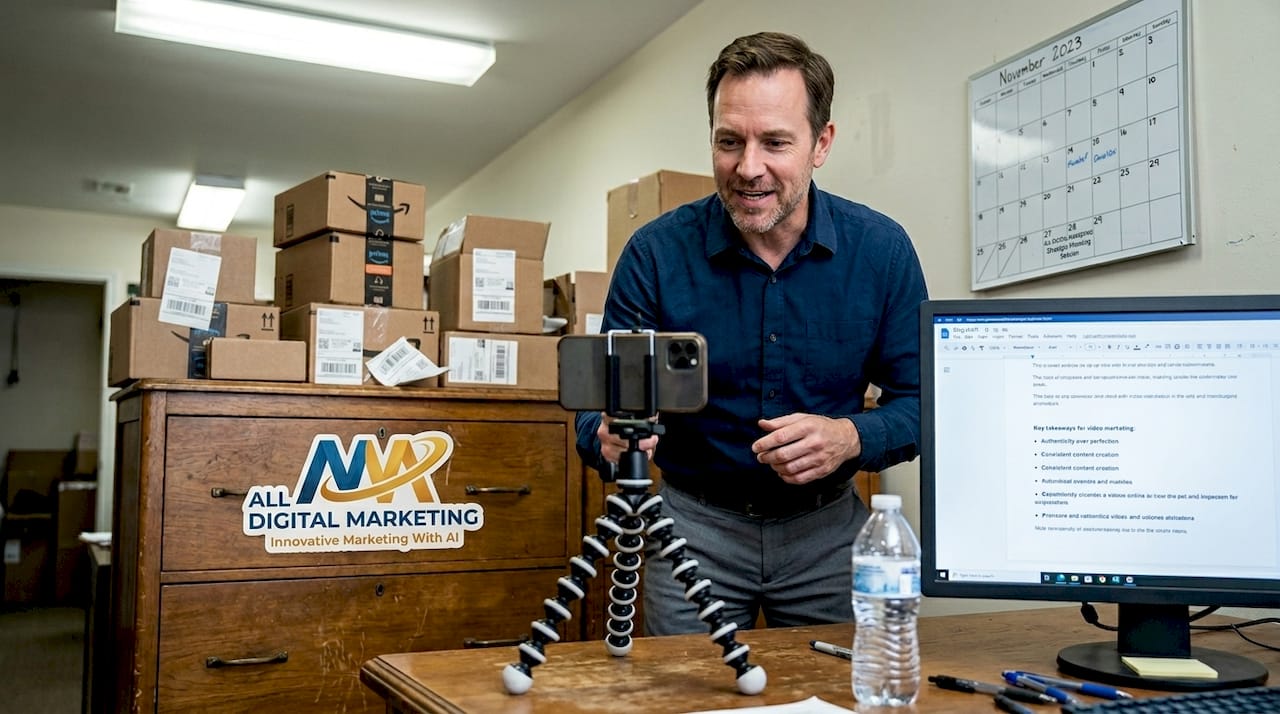
Paid social media advertising boosts reach and engagement on platforms like Facebook, Instagram, LinkedIn, and TikTok. These ads let you target specific demographics, interests, and behaviors with precision. Paid social media advertising works particularly well for building awareness and nurturing prospects through the consideration phase.
Pay-per-click (PPC) advertising delivers immediate traffic and conversions through search engine ads. You bid on keywords related to your business, and your ads appear when people search those terms. PPC campaigns offer fast results and precise budget control, making them ideal for time-sensitive promotions or competitive markets.
Email marketing and automation enhanced by AI nurture leads and retain customers through personalized messages. AI tools significantly improve efficiency by segmenting audiences, optimizing send times, and personalizing content at scale. Email remains one of the highest ROI channels when executed with strategic automation.
Digital display and interactive signage create brand visibility in physical and digital spaces. From digital display templates in retail locations to banner ads across websites, these visual formats capture attention and reinforce brand recognition across multiple touchpoints.
Choosing between these strategies depends on where your customers are, what stage of the buying journey matters most, and which channels align with your strengths. Most successful businesses combine three to five complementary tactics rather than relying on a single approach. Consider how each strategy supports the others, like using content marketing to feed social media posts or retargeting website visitors with paid ads.
Pro Tip: Start with one or two core strategies you can execute consistently before expanding. Effective social media strategy requires regular posting and engagement, so choose tactics you can sustain long term rather than spreading yourself too thin.
Comparing digital marketing strategies: cost, complexity, and outcomes
Understanding how strategies compare across key dimensions helps you make informed investment decisions. This comparison reveals which tactics fit different business situations and resource levels.
| Strategy | Typical Monthly Budget | Complexity Level | Best For | Key Advantage |
|---|---|---|---|---|
| Local SEO | $500 to $2,000 | Moderate | Businesses with physical locations | Drives nearby customers ready to buy |
| Content Marketing | $1,000 to $3,000 | Moderate to High | Building long-term authority | Compounds value over time |
| Paid Social Ads | $500 to $5,000 | Low to Moderate | Brand awareness and engagement | Precise audience targeting |
| PPC Advertising | $1,000 to $10,000 | Moderate | Immediate traffic needs | Fast results and budget control |
| Email Marketing | $300 to $1,500 | Low to Moderate | Customer retention | Highest ROI per dollar spent |
| Digital Display | $500 to $3,000 | Low | Visual brand reinforcement | Multi-touchpoint presence |
Budget ranges vary significantly based on market competition, business size, and campaign goals. A local bakery might spend $500 monthly on local SEO and see strong returns, while a regional law firm could invest $5,000 to compete effectively. Start at the lower end of ranges, measure results carefully, and scale investment in tactics that prove profitable.
Complexity levels reflect both technical requirements and ongoing management needs. Low complexity strategies like basic social posting or email newsletters require minimal specialized knowledge. Moderate complexity tactics like local SEO or PPC demand platform expertise and regular optimization. High complexity strategies like comprehensive content marketing or advanced automation need significant time investment or professional support.
Scalability differs across strategies too. Email marketing and content marketing scale efficiently because you can reach larger audiences without proportional cost increases. Paid advertising scales linearly, with costs rising as you expand reach. Local SEO has natural geographic limits but deepens impact within your service area.
Integration potential matters when building a cohesive marketing system. Content marketing feeds social media, email campaigns, and SEO efforts simultaneously. PPC and social ads work together for retargeting campaigns. AI-powered marketing strategies enhance multiple channels by automating repetitive tasks and personalizing customer experiences at scale.
Despite AI efficiency gains, human oversight remains essential for maintaining brand consistency and strategic direction. Use AI to handle data analysis, content suggestions, and workflow automation, but keep humans responsible for final creative decisions, customer relationship management, and strategic pivots.
Pro Tip: Track cost per acquisition for each strategy separately. This metric reveals true performance beyond vanity metrics like impressions or clicks, helping you allocate budget to channels that actually drive profitable customer actions.
Which digital marketing strategies are best for your small business?
Selecting the right mix depends on your specific situation, goals, and constraints. These situational guidelines help you prioritize strategies that match your business reality.
Prioritize local SEO if your business relies on physical foot traffic or serves specific geographic areas. Restaurants, retail stores, service providers, and healthcare practices benefit enormously from appearing in local search results and Google Maps. Customers searching for nearby solutions have high purchase intent, making local SEO one of the most cost-effective strategies for location-based businesses.
Leverage AI automation to improve efficiency without sacrificing brand voice. AI marketing tools handle time-consuming tasks like email segmentation, ad optimization, and performance reporting. This frees your team to focus on strategy, creativity, and customer relationships where human judgment adds irreplaceable value.
Combine paid ads with organic methods for balanced growth. Paid campaigns deliver immediate visibility and quick wins while you build organic presence through SEO and content. This dual approach protects you from algorithm changes and provides consistent lead flow during the months it takes for organic strategies to gain traction.
Adapt strategy choice to budget constraints and internal skills. If you're working with limited funds, focus on high-ROI tactics like email marketing and organic social media that require more time than money. As budget grows, add paid strategies that accelerate results. Similarly, choose tactics that match your team's strengths or invest in training and tools that fill capability gaps.
Continuously analyze performance metrics to optimize your approach. Set up tracking for key indicators like traffic sources, conversion rates, cost per lead, and customer lifetime value. Review these metrics monthly to identify winning tactics worth expanding and underperforming efforts that need adjustment or elimination. AI search optimization provides data-driven insights that reveal patterns humans might miss.
For most small businesses, an effective starting combination includes local SEO for geographic visibility, email marketing for customer retention, and one paid channel (either PPC or social ads) for immediate lead generation. Add content marketing as resources allow to build long-term organic traffic. This foundation covers multiple customer touchpoints without overwhelming limited teams or budgets.
Boost your digital marketing with expert help
Implementing effective digital marketing strategies takes expertise, time, and ongoing optimization. Professional support accelerates results while you focus on running your business.
Digital Marketing All specializes in helping small and medium-sized businesses enhance online visibility through proven local SEO and AI-driven solutions. We optimize your presence in local search results, manage your reputation across review platforms, and implement AI-powered automation that saves time without losing your brand's authentic voice.
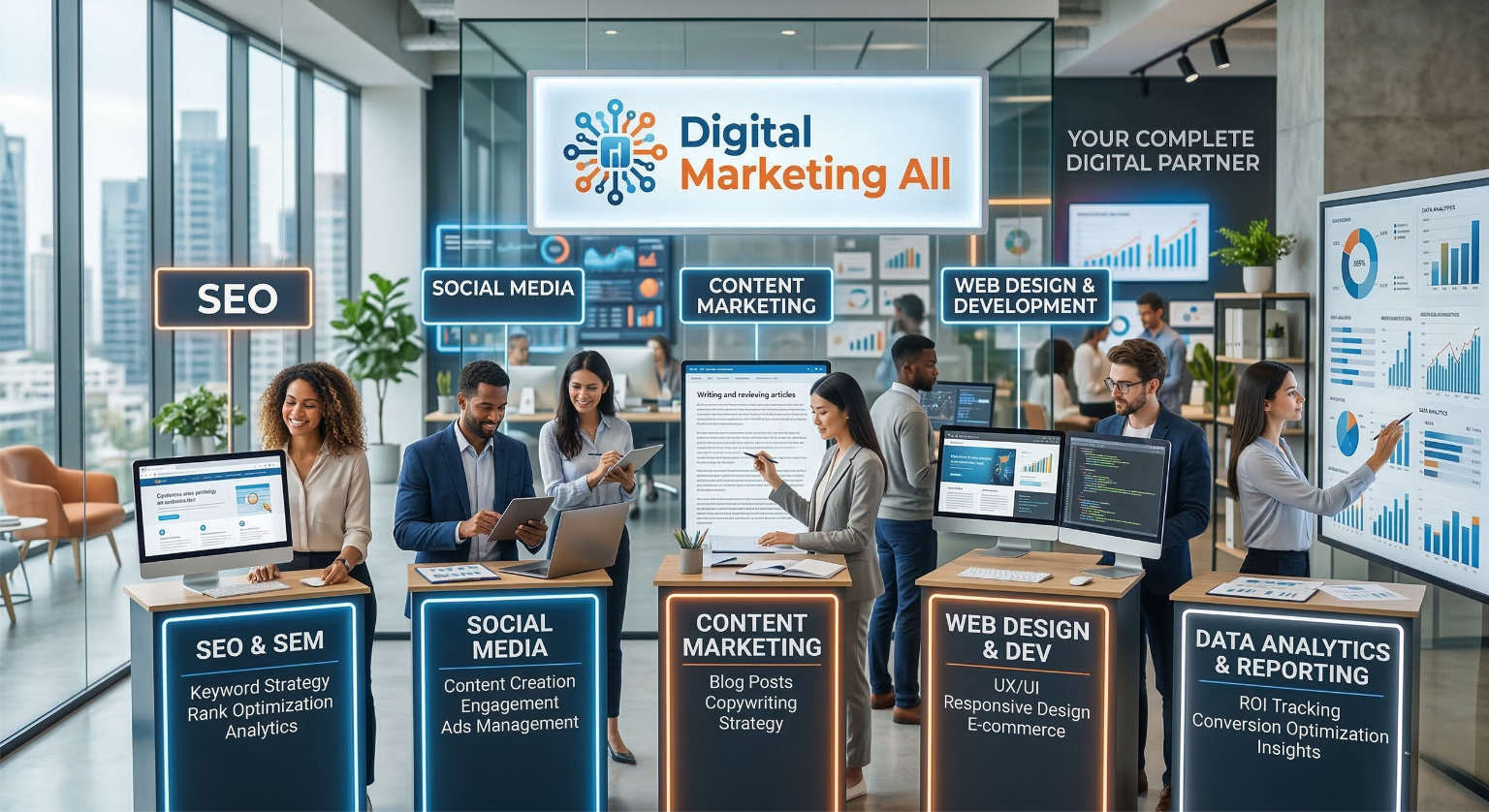
Our team handles the technical complexity of paid advertising campaigns, social media strategy, and search optimization so you get qualified leads without the learning curve. We provide tailored solutions that fit your budget and scale with your growth, from review generation and management to comprehensive Yelp optimization. Whether you need a high-converting website, targeted ad campaigns, or a complete digital marketing system, our professional services deliver measurable results that grow your business. Stop guessing which strategies work and start implementing proven tactics with expert guidance.
Frequently asked questions
What are the most effective digital marketing strategies for small businesses in 2026?
Local SEO, email marketing, and content marketing deliver the highest ROI for most small businesses. These strategies build sustainable visibility and customer relationships without requiring massive budgets. Add one paid channel like PPC or social ads for immediate traffic while organic methods gain traction.
How does local SEO benefit small businesses?
Local SEO improves visibility in location-based search results and Google Maps, connecting you with nearby customers actively looking for your services. This strategy drives qualified traffic with high purchase intent directly to your business. For companies serving specific geographic areas, local SEO often generates more valuable leads than broader marketing tactics.
Can AI tools replace human marketers in digital campaigns?
AI tools boost efficiency and handle repetitive tasks but cannot replace human strategic thinking and creativity. AI saves significant time on data analysis and automation while humans guide brand messaging and customer relationships. The most effective approach combines AI efficiency with human oversight for authentic, strategic campaigns.
What budget should small businesses allocate for digital marketing?
Start with 5 to 10 percent of revenue for digital marketing, adjusting based on growth goals and industry competition. Begin with lower-cost strategies like email and organic social media, then scale investment in tactics that prove profitable. Track ROI carefully and shift budget toward channels delivering the best customer acquisition costs.
How long does it take to see results from digital marketing strategies?
Paid advertising delivers immediate traffic within days, while organic strategies like SEO and content marketing typically show meaningful results in 3 to 6 months. Email marketing falls in between, with initial campaigns generating responses within weeks. Sustainable success requires consistent effort across multiple quarters as strategies compound and audiences grow.
Recommended
- Top 10 Digital Marketing Mistakes Small Businesses Make (And How to Fix Them)
- 2025 Digital Marketing Trends: Game-Changing Updates That Could Increase Your Business Growth
- 6 Marketing Priorities for 2026: Master Social Search & AI | Digital Marketing All
- AI and Effects on Marketing for Small Business News June 2025: What You Must Know Now
- Digital display templates guide for marketing pros 2026
- Optimisez le processus de création de contenu visuel en 2026